What to check before you book a desert safari in Dubai
A desert safari can look straightforward from the outside: a vehicle, some dunes, a stop for photos, and a meal under the sky. The details matter much more than that first impression. Before paying for desert safari dubai, it helps to know what is actually included, how the day is paced, and which parts suit the people travelling. A little preparation reduces the chance of a long, uncomfortable afternoon in the sand.
Start with the itinerary rather than the headline. Some trips focus on dune bashing, while others give more room to camel riding, sandboarding, henna painting, a falconry display, or a quiet dinner stop. These experiences feel very different in practice. A packed route may look generous on paper but leave little time to enjoy any one part, especially when the light is good for sunset photography. Read the sequence of the day, not just the list of activities.
What the booking actually includes
Check the inclusions in plain terms. Transport to and from the meeting point, the type of vehicle, meal arrangements, and any entry or activity charges should be clear before you commit. If something is described as optional, treat it as optional rather than promised. That applies to camel riding, sandboarding, and any display that depends on timing or availability.
Ask whether the safari is shared or private. A shared trip can be better value and more sociable, but it moves at the pace of the group. A private trip gives more control over stops, photography, and breaks, though it is a different kind of expense. Neither is automatically better. The right choice depends on whether you want a full programme or a slower outing with space to pause.
The name cameldesertsafaridubai.com may be one of the places you come across while comparing options, and the same checks still apply. Look for a clear description of the route, the length of the outing, and the activities that are part of the booking. Vague wording such as "full experience" is less useful than a simple breakdown of what happens and when.
Timing, pickup, and the shape of the day
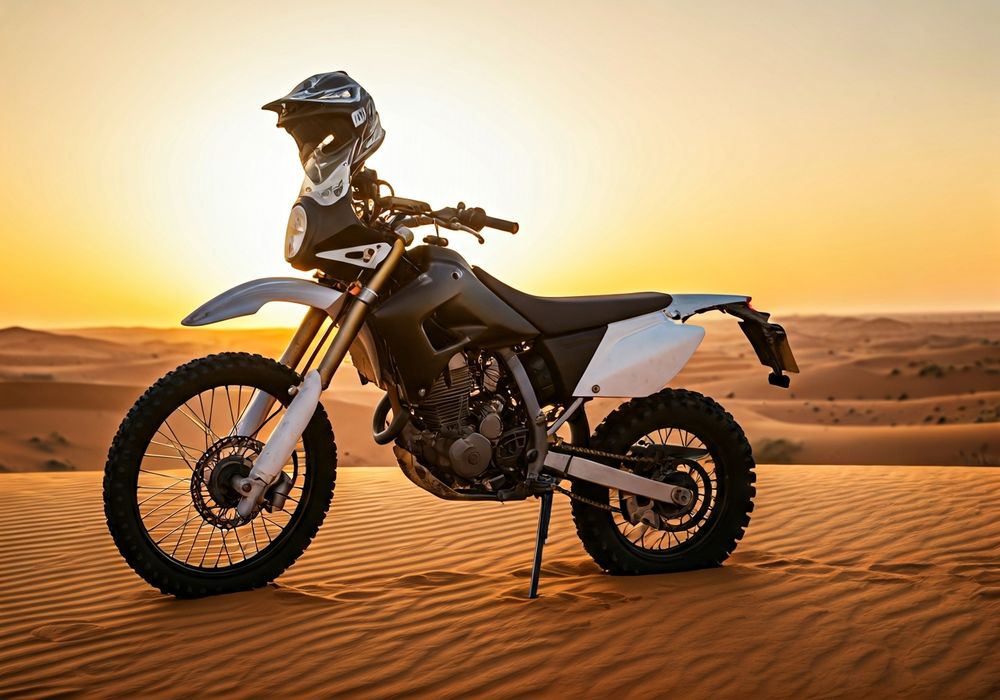
Desert conditions change through the day. A trip near sunset often gives softer light and cooler sand, while a late afternoon start can place the most active part of the drive in stronger heat. If the itinerary mentions sunset photography, check how much time is set aside for it. A brief stop may not be enough if you want unhurried photos or a walk away from the busiest area.
Pickup details deserve the same attention. Confirm the meeting point, whether the return drops you at the same place, and how much waiting is built into the schedule. Long waits in a vehicle or at a pickup point can wear down the start of the trip. Clear timing also helps you plan meals, prayer times, and any onward plans in the evening.
Travel time from the city is another practical point. The desert may look close on a map, but the drive to the dunes and back forms part of the day. When comparing trips, check whether the quoted duration includes pickup and return or only the time spent in the desert. That distinction changes how you judge a short or long safari.
Comfort and suitability
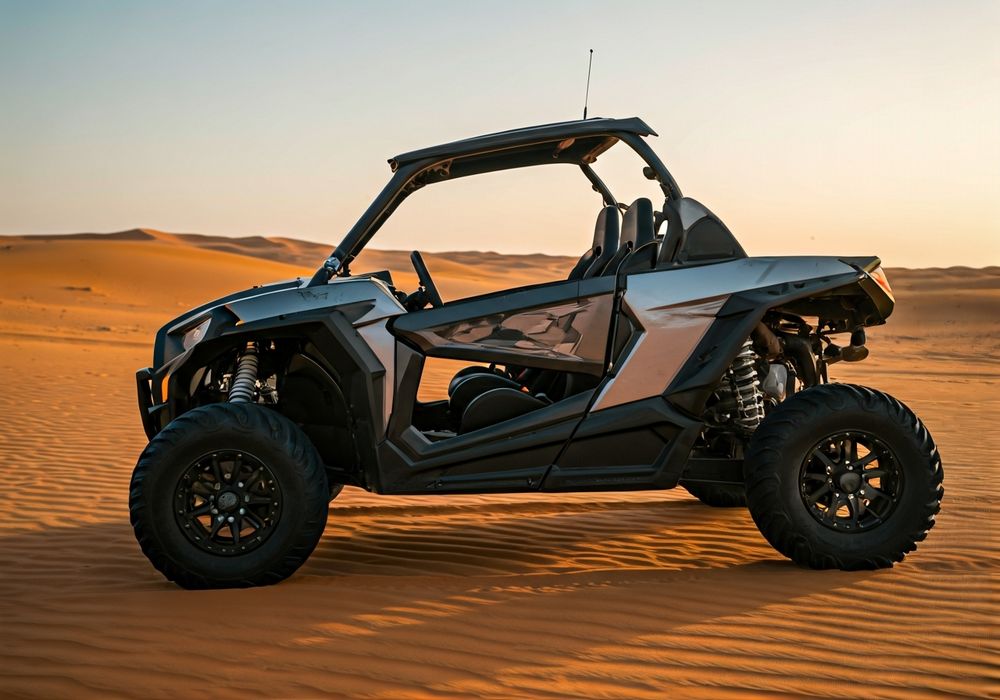
Dune bashing is often the main draw, but it is not suitable for everyone. The ride can involve steep slopes, sudden turns, and loose sand. Anyone prone to motion sickness, back pain, or anxiety about fast driving should think carefully before choosing a trip built around it. It is reasonable to ask whether a gentler route or a non driving option is available.
Children, older travellers, and anyone with limited mobility may need a different pace. Sand is tiring to walk on, even over short distances. A camp with seating, shade, and accessible facilities can make the evening far more comfortable. If an activity involves getting in and out of a vehicle repeatedly, check that this will work for the group.
Clothing is a small detail with a real effect. Light, loose layers work better in heat, and closed shoes protect feet from hot sand. A scarf or light covering can help with dust and sun. Sunglasses are useful for bright conditions, and a camera or phone needs protection from fine sand. None of this needs special equipment, but it does need a moment of thought before leaving.
Food, culture, and the evening stop
An Arabian dinner can be a highlight, yet the style varies widely. Some trips include a buffet, others a set meal, and some may only offer refreshments. Check what is served, whether dietary needs can be handled, and whether water and soft drinks are included. If the evening is central to your plans, do not leave these points until arrival.
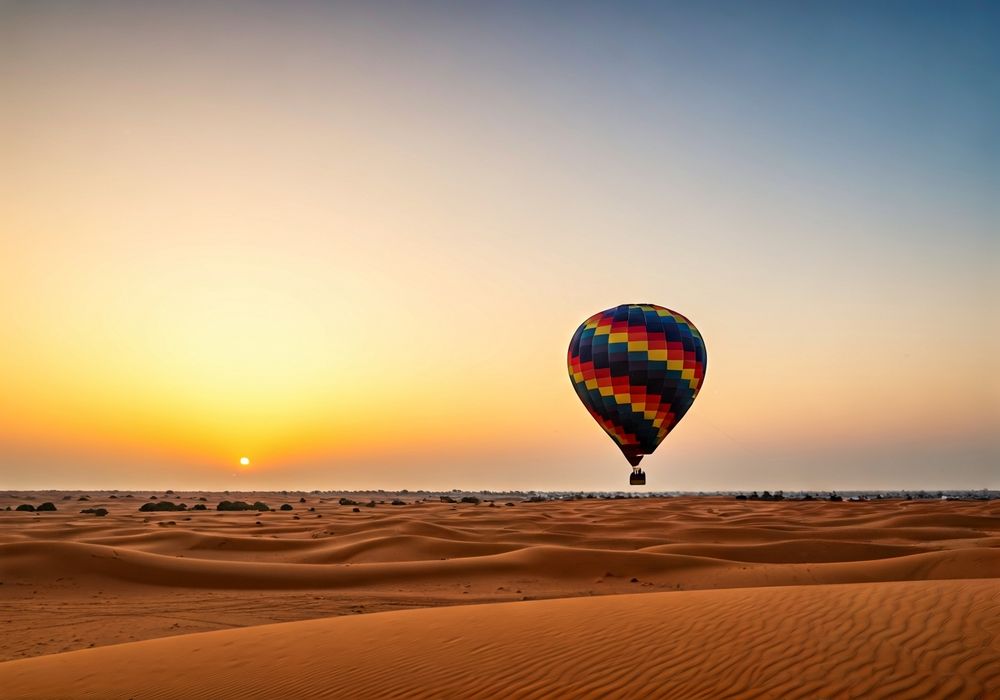
Entertainment also varies. A falconry display, henna painting, and desert wildlife features may appear in some programmes and not others. When these are included, check whether they are scheduled at fixed times or offered casually during the evening. Knowing that in advance prevents disappointment and helps you decide which moments to prioritise.
It is worth keeping expectations realistic. A desert camp is not the same as a restaurant or a theatre. The setting is part of the appeal, with sand, open space, and changing light. That charm comes with trade-offs, such as dust, uneven ground, and less control over noise. Travellers who accept those conditions usually enjoy the evening more.
Safety and operator responsibilities
Safety checks should be direct and uncomplicated. Ask about seat belts, driver experience, vehicle maintenance, and what happens if someone feels unwell during the drive. A responsible operator will treat these as normal questions. If answers are dismissive or unclear, that is a reason to pause before booking.
Insurance and liability are worth understanding too. Confirm what cover applies during the safari, especially during dune bashing and other active parts. Keep written details of the booking so there is a record of what was promised. This is not about expecting problems. It is about knowing where you stand if plans change or an activity is cancelled.
Weather can also change the shape of the day. Rain, strong wind, or extreme heat may affect routes and outdoor stops. A sensible plan allows for adjustments rather than pushing ahead regardless. If a trip depends on a precise sunset or a specific camp setup, ask how alternatives are handled when conditions shift.
Comparing value without rushing
Price is only one part of the decision. A lower headline figure can still lead to a poor experience if pickup is distant, activities are crowded, or key items cost extra. A higher figure may feel better if the day is well organised and the time in the desert is not spent waiting. Compare the full day, including travel, meals, activities, and return.
Reviews can help, but read them with care. Look for repeated comments about pacing, comfort, safety, and clarity rather than a single glowing or angry account. Patterns are more useful than extremes. A review that mentions the same issue again and again tells you more than one dramatic complaint.
Before you make the final choice, write down your must haves. Maybe sunset photography matters most, or perhaps a gentle camel riding experience is the reason for the trip. Once those priorities are clear, the options become easier to judge. cameldesertsafaridubai.com is one name that may appear in that comparison, but the decision should rest on the same practical points used for any safari booking.
A good desert safari is not simply the most action packed option. It is the one that fits the group, respects the heat, explains the inclusions, and leaves enough room to enjoy the desert itself. Check those points before you pay, and the day is far more likely to feel well spent.